Dealing with Bee Swarms
Bee swarms can be a frightening sight, especially if they appear on your property. However, it’s important to remember that swarming is a natural process for honey bees. When a colony becomes overcrowded or the queen bee begins to fail, the bees will create a new queen and the old queen will leave the hive with about half of the worker bees. This swarm will then search for a new location to establish their hive.
At Bee Busters, we understand the importance of safely removing and relocating bee swarms. Our team of experienced beekeepers is equipped to handle swarm removals in Orange County, CA, ensuring the safety of both the bees and the property owners.
What to Do When You Spot a Swarm
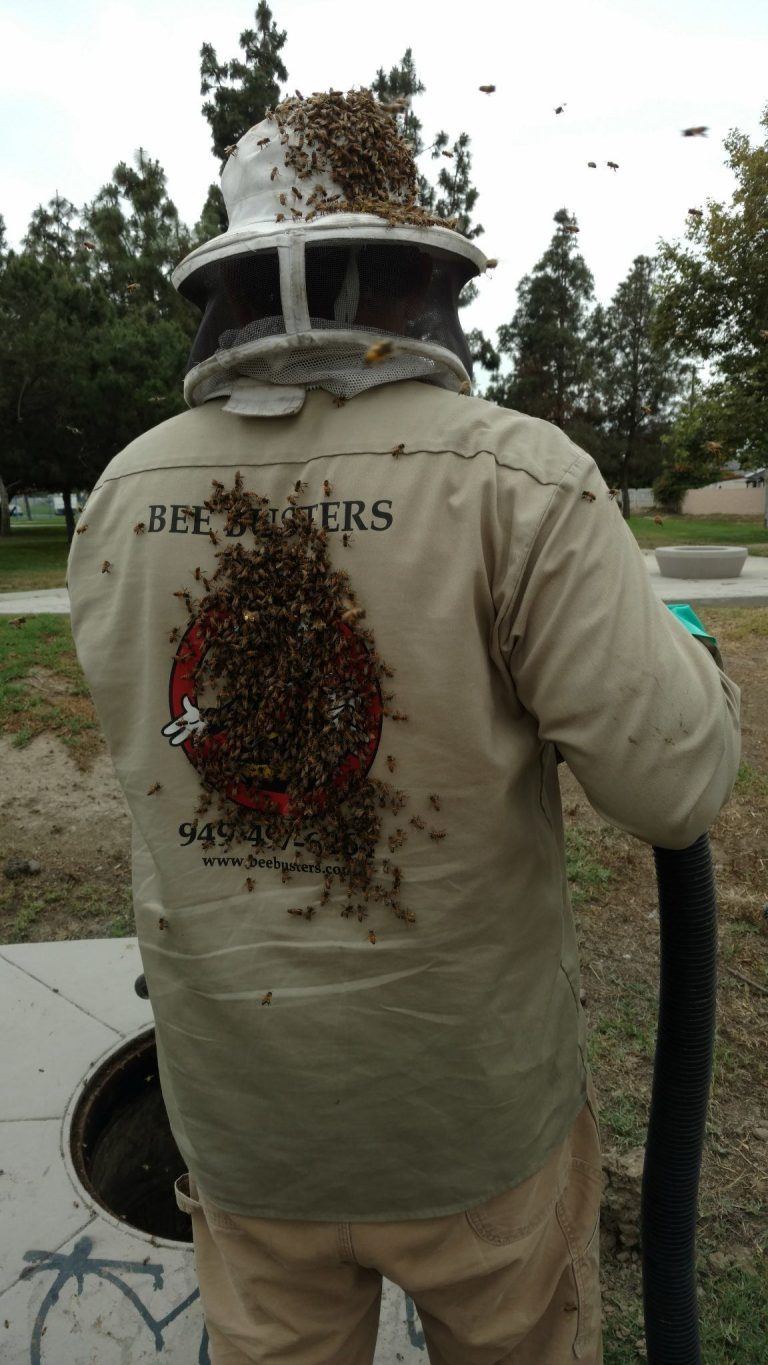
If you notice a bee swarm on your property, the first thing to do is remain calm. Swarming bees are typically not aggressive, as they are focused on finding a new home and do not have a hive or honey stores to defend. However, it’s still best to keep a safe distance and contact a professional bee removal service like Bee Busters.
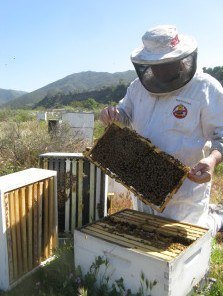
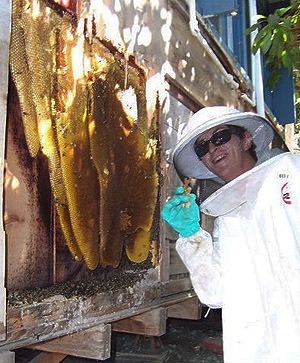
When you call us, we’ll dispatch our team to assess the situation and safely remove the swarm. Our process involves:
- Identifying the location of the swarm and determining the best approach for removal
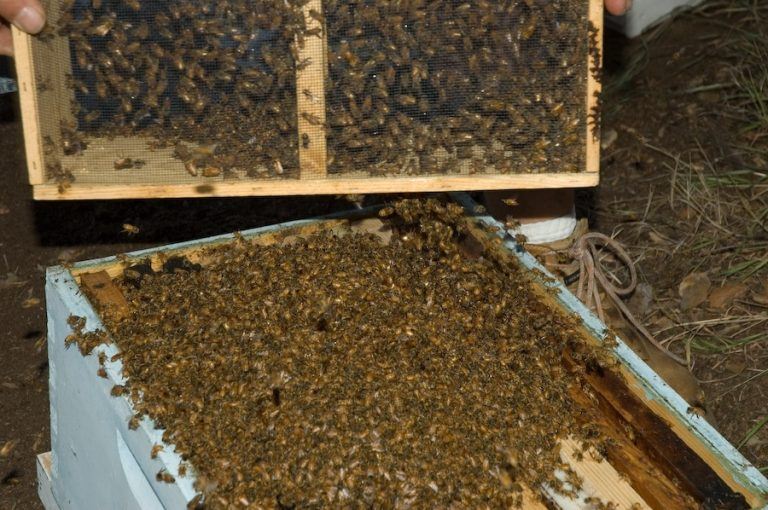
- Gently encouraging the bees into a special box designed for swarm collection
- Relocating the bees to a safe location where they can establish a new hive
Throughout the process, we prioritize the well-being of the bees. We handle bee removal and rescue, working hard to keep the bees alive so that they can be removed safely.
Why It’s Important to Save Bee Swarms
Honey bees play a crucial role in our ecosystem, pollinating crops and maintaining biodiversity. However, bee populations have been declining in recent years due to factors such as habitat loss, pesticide use, and climate change. By safely removing and relocating bee swarms, we can help support the health of local bee populations.
When you choose Bee Busters for your swarm removal needs, you can feel good knowing that you’re contributing to the conservation of these essential pollinators. Our team is dedicated to providing effective, eco-friendly solutions for bee removal in Orange County, Irvine, Laguna Beach, Laguna Hills, Lake Forest & Mission Viejo, CA.
Preventative Measures
While it’s not always possible to prevent bee swarms from occurring, there are some steps you can take to make your property less attractive to swarming bees:
- Seal any cracks or crevices in the exterior of your home or building
- Remove unused appliances, furniture, or debris from your property that could serve as potential nesting sites
- Keep trees and shrubs trimmed, as bees often prefer to swarm on low-hanging branches
If you do notice signs of a bee colony on your property, such as increased bee activity or a visible hive, contact Bee Busters right away. We never fail, are always available, and are proud to service a wide range of regions, including Orange County, CA.
Trust the Experts at Bee Busters
When it comes to bee swarm removal, it’s essential to work with experienced professionals who prioritize the safety of both the bees and the property owners. At Bee Busters, our team has the knowledge, skills, and equipment necessary to handle even the most challenging swarm removals.
Don’t let a bee swarm cause you stress or put your property at risk. Contact Bee Busters today to learn more about our swarm removal services in Orange County, CA. We’re here to help you coexist peacefully with these important pollinators while keeping your property safe and bee-free.